
Applications
Orthopedic Surgery
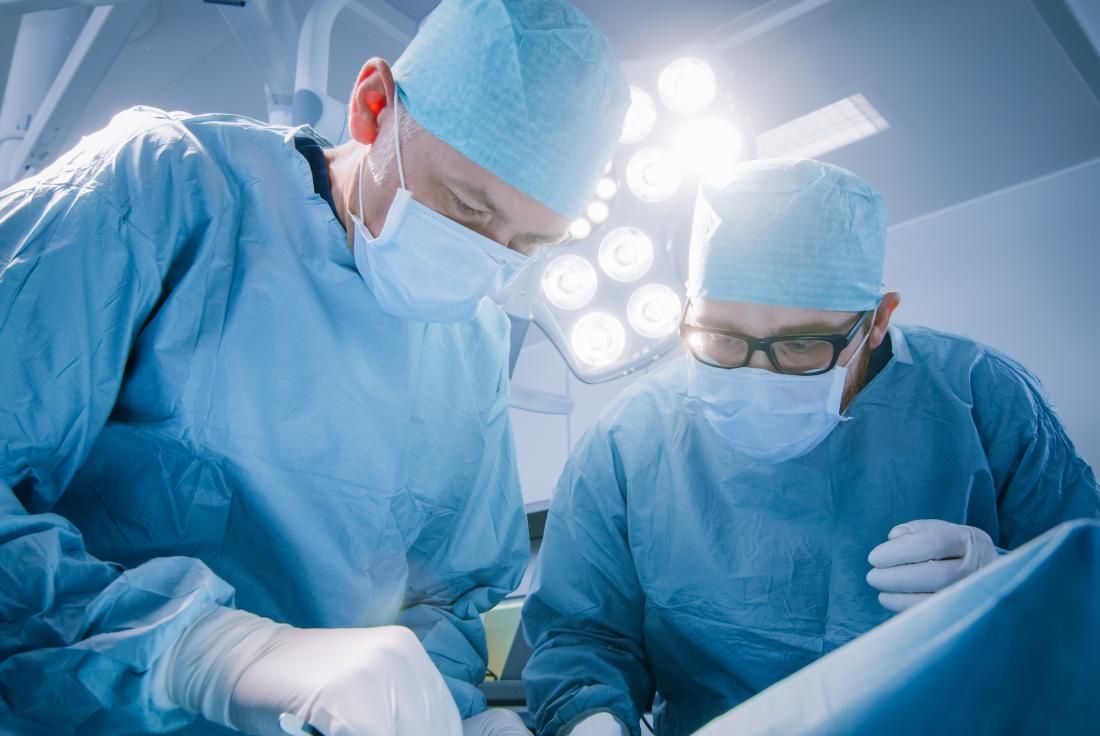
The use of pulse lavage equipment for cleaning is an important step in modern cementing technique. To achieve good cement fixation and penetration into the cancellous bone, an important step is using Pulse Lavage. The Pulse Lavage system has proven to be an advantage compared to syringes in removing blood and debris and penetrating into the cancellous bone.
Less implant loosening
“The routine use of pulsed or pressurized lavage appears to be the single most important factor in preparing the bone bed. It is essential in achieving adequate and uniform penetration of bone cement and a sound cement-bone interface.”*
“Early failure in any weak area will increase the loading at remaining points of contact and lead to more failure with probably loss of mechanical stability at the interface. After pressurized lavage, the cement-bond composite layer was 50% to 75% as strong as the bone cement and always stronger than the adjacent cancellous bone. This situation would seem to offer the best chance of maintaining a stable mechanical environment and allowing osseointegration to take place.”*
* R.S. Majkowski, A.W. Miles, G.C. Bannister, J. Perkins, G.J. Taylor. Bone surface preparation in cemented joint replacement. The Journal of Bone and Joint Surgery (British Volume), Vol. 75-B, No. 3, pp. 459–463, May 1993. doi:10.1302/0301-620X.75B3.8496223
Reduced risk of fat embolism
The use of the Pulse Lavage system during the cleaning sequence will prevent microembolization of the marrow contents and minimize circulatory changes. Thorough cleaning with Pulse Lavage has proven to reduce the risk of fat embolism. An important function of the Pulse Lavage is to clean the bone surface, thereby preventing circulatory reactions when inserting the prosthesis and also reducing the risk of fat embolism.
Increasing cement strength
Introduction of blood and debris into the cement may compromise the strength of the bone cement. Pulse Lavage greatly improves the cleaning process. A clean bone cavity improves the quality of the bone to cement interface and reduces the chance of blood lamination.